BetFury Pays KOL to Sell Its 'Provably Fair' Label
BetFury just paid a 36,000-follower account to sell "provably fair" to X, while its win-spam Roomba kept churning in the next tab.
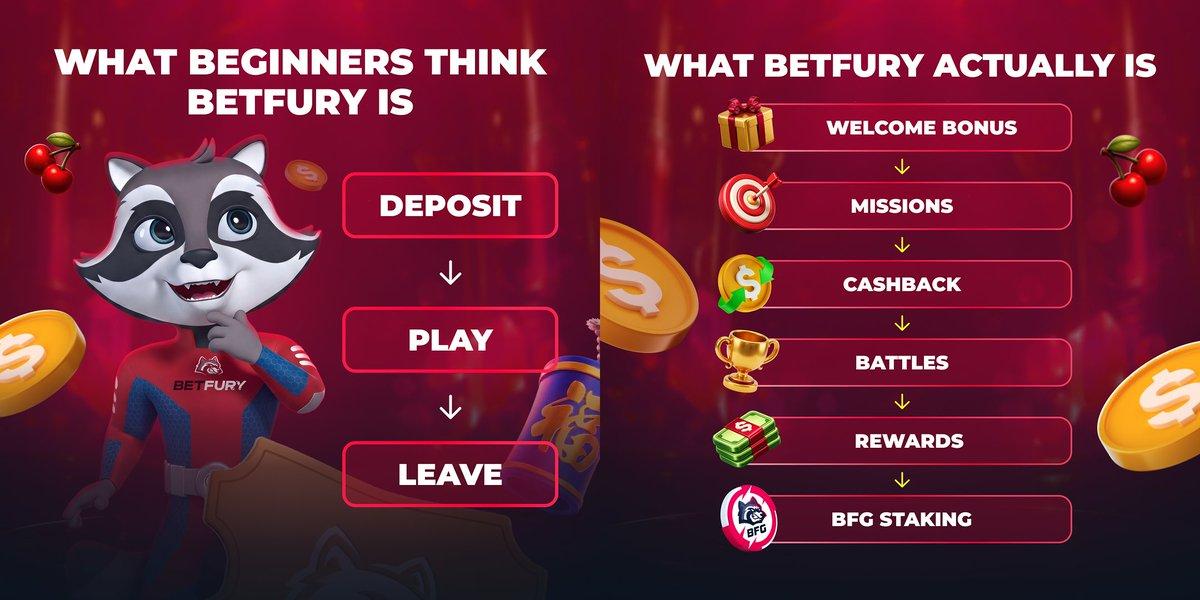
Days after an independent auditor showed that BetFury's marquee Limbo game had been running at 2.7 times its advertised house edge, the crypto casino's marketing department settled on a bold plan for the post-scandal era: pay someone to say the magic words again. On August 13, @web3Lyra, a 36,000-follower crypto account, posted a three-bullet tribute to BetFury's Curaçao license, its CertiK audits, and its SHA256 "provably fair" system. X's own metadata labels the post a paid partnership, which is the platform's way of attaching a price tag to a sermon about transparency.
The thread's case is that most crypto casinos offer "just vibes and a withdrawal button" while BetFury "does it differently." The evidence, itemized: an "actual license on record" from Curaçao, a platform and a $BFG token that "got checked" by CertiK, and a provably fair setup in which "you can verify the result was not changed after you placed your bet."
so instead of just trusting the casino, you can actually check it yourself.
You can actually check it yourself. That is the entire pitch, and it is delivered with the confidence of a magician who keeps saying "watch very closely." The reason the line stings is that "check it yourself" is the one thing BetFury's provably fair system, according to an independent audit, never actually let anybody do.
Three bullets, one price tag
The Curaçao bullet is doing the heaviest lifting. "Licensed by curaçao's gaming regulator," the thread reads, "so there's an actual license on record, not some random offshore setup." Curaçao, the jurisdiction that supplies a healthy slice of the crypto gambling industry with its paperwork, is technically true here in the same way a library card is technically identification. The piece of paper is real. The question has always been what the games were doing behind it.
The CertiK bullet is subtler. "CertiK audited the platform and the $BFG token separately, so both the games and the token got checked." Whatever CertiK checked, it did not stop Limbo from running the wrong RTP for two months, because checking a token's smart contract and checking whether a casino game pays what its sticker promises are two different hobbies. And the provably fair bullet, the one about verifying that "the result was not changed after you placed your bet," is the label an auditor already dismantled. We will get back to that.
The reply-guy choir
The replies arrived in formation, tight enough to set a metronome to. Six accounts, each carrying X's paid blue check, each delivering a slight variation on the same three words: licensed, audited, provably fair.
@0x_JadeX kept closest to the template: "licensed, audited, provably fair actually legit for once." @H0ogie went with "Check the results yourself, no excuses." @R2carloss offered "transparency and verifiable fairness matter more than promises." @Face_Less33 filed "verifiable fairness completely changes the game." @20_archangel, a self-described data analyst with 2,400 followers, concluded "Seems like a safe platform worth checking out."
The standout is @Nancy__Diazz, whose bio reads "AI Creator" and "DM For Paid Collaborations" in the same sentence, and who replied "Finally a crypto casino that shows actual receipts instead of just 'trust us' vibes." An account that advertises paid promotions, endorsing a paid promotion, about the virtue of checking receipts. It is a hall of mirrors with the word "paid" written on every surface.
The chorus did not stop at six. Hours later, @Hiraweb3, a 56,000-follower account, filed the same affidavit in four words: "actual proof not just vibes." Same hymn, same sheet music.
Meanwhile, the factory floor
Here is the part that makes the transparency campaign hard to take at face value. At the same moment the paid thread was instructing X to "check it yourself," BetFury's #bf_share_win machine was still manufacturing wins on a loop, as this publication has documented before. Kurt Kingston, an account with one follower and roughly two thousand career posts, fired off "Keno on @betfury_gaming picked my numbers today" every couple of minutes. Patrice LEBON, eight followers and more than 2,600 posts, rolled "into victory" in Dice on a similar schedule. The reputation rebuild did not, apparently, require the win factory to pause.
The machine even glitched in public. One share link went out with its bet ID parameter reading, literally, "betId-null," the affiliate template's way of admitting in machine-readable form that there was no winning bet to point at. The script fired anyway. A win was declared, a link was shared, and the only missing ingredient was the win.
The label that already failed
The sharpest cut is that the label at the center of the paid thread is the same one an independent audit already dismantled. ProvablyFair.org ran 240,000 real-money bets and found Limbo returning 97.33% against an advertised 99.02%, and BetFury privately admitted "the game's actual parameters did not match the RTP and win probability displayed to users." The auditor's verdict is the part BetFury's marketing keeps skipping: "A real provably fair implementation would let players verify both." It did not, and they could not.
So when the paid thread promises you can verify the result was not changed after you placed your bet, the honest translation is that you can verify it the same way Limbo players verified it for two months. Which is to say, not at all, until an outside auditor ran the math and the casino blamed a configuration error.
The whole production is a transparency pitch with a price tag, delivered by a paid account, seconded by a chorus of paid checkmarks, while the affiliate win factory keeps printing Keno victories in the next tab. BetFury wants you to stop trusting and start checking. The problem is that checking is the one thing its own system was just proven not to offer. #bf_share_win.
Comments
Loading comments…