Rolly Locks Player Funds, Blames 'Beta Phase' Bug
The casino that can "prove it has nothing to hide" just found something to hide behind: the word beta.
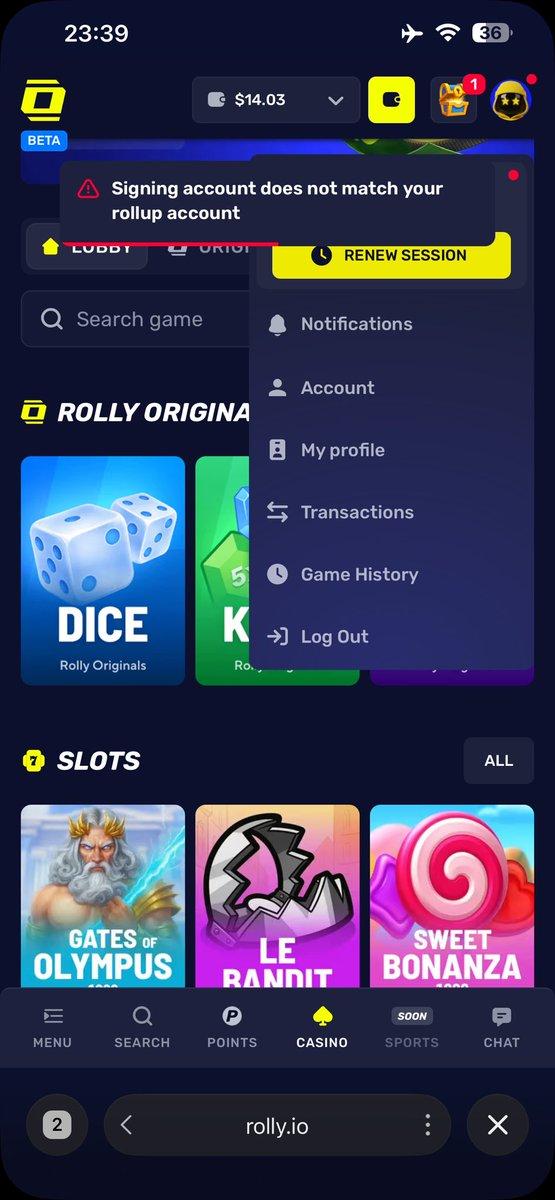
Rolly, the on-chain casino whose bio reads "First casino that can prove it has nothing to hide," spent Tuesday demonstrating exactly the opposite. When player MishaShorts posted screenshots of locked funds and began replying "#scam" under the platform's promotional tweets, Rolly's response was not a fix. It was a reminder that "Rolly is currently in the Beta phase, so some bugs can happen." The bug in question had swallowed the player's money. The casino's proposed resolution: abandon the affected account, move everything to a new one, and hope the beta's appetite for other people's funds has been sated.

The situation began when MishaShorts started peppering Rolly's cheerful marketing posts with scam accusations and visual receipts. Under a Rolly video captioned "Mood because it's August and you play fast and secure on Rolly," MishaShorts replied with "#scam When?" and a screenshot. Under another Rolly post celebrating "the smell of a good win in the morning," the same treatment: "#scam When?" accompanied by another screenshot. The contrast between the casino's sunny promotional cadence and the increasingly desperate replies beneath it was, depending on your perspective, either darkly comic or a preview of what happens when "provably fair" meets "provably broken."
The Beta Umbrella
Rolly's official account eventually responded with a statement that deserves to be studied in marketing programs as an example of how to say "we have no idea what went wrong" while sounding like you are on top of it. The reply, posted directly to MishaShorts, opened with empathy ("We completely understand your frustration") before pivoting to the core defense: "Rolly is currently in the Beta phase, so some bugs can happen. We're still fine-tuning the platform and testing it with our first players and sessions."
The casino clarified that the issue was "local, not global," and had already been "fixed for new users." For MishaShorts specifically, the problem was "tied to a specific session." The solution? "If you can move your funds to another account within Rolly, you'll be able to continue playing without any issues." A bonus would be credited later for flagging the problem, the casino added, as though a loyalty coupon might soften the experience of watching your money become inaccessible behind a bug the platform had already patched for everyone except you.
The Solution Is the Problem
ACE, Rolly's marketing pilot, jumped in to reinforce the message. "Bro, we gave you the solution in the chat. Check it," they wrote. Earlier, defending the platform to another user, ACE had added: "We don't close the withdrawal option to player. He received our bonus to test the product." The framing here is worth pausing on. A player received a bonus, found a bug that locked their funds, reported it, and the company's position is that the bonus somehow offsets the fact that the product they were testing ate their money.
MishaShorts, apparently unimpressed by the offer to abandon the account where their funds were stuck and start fresh, declined. Rolly's final word on the matter arrived Tuesday afternoon: "We offered to help by moving everything to another account, but you declined. That was the solution we had, so there's nothing more we can do until that's done."
That is the entire resolution. A player's funds are locked. The casino acknowledges the bug exists. The casino says it has already fixed the bug for new users. The casino's only offer to the affected player is to move to a new account. The player says no. The casino shrugs. End of support ticket.
A Pattern, Not an Incident
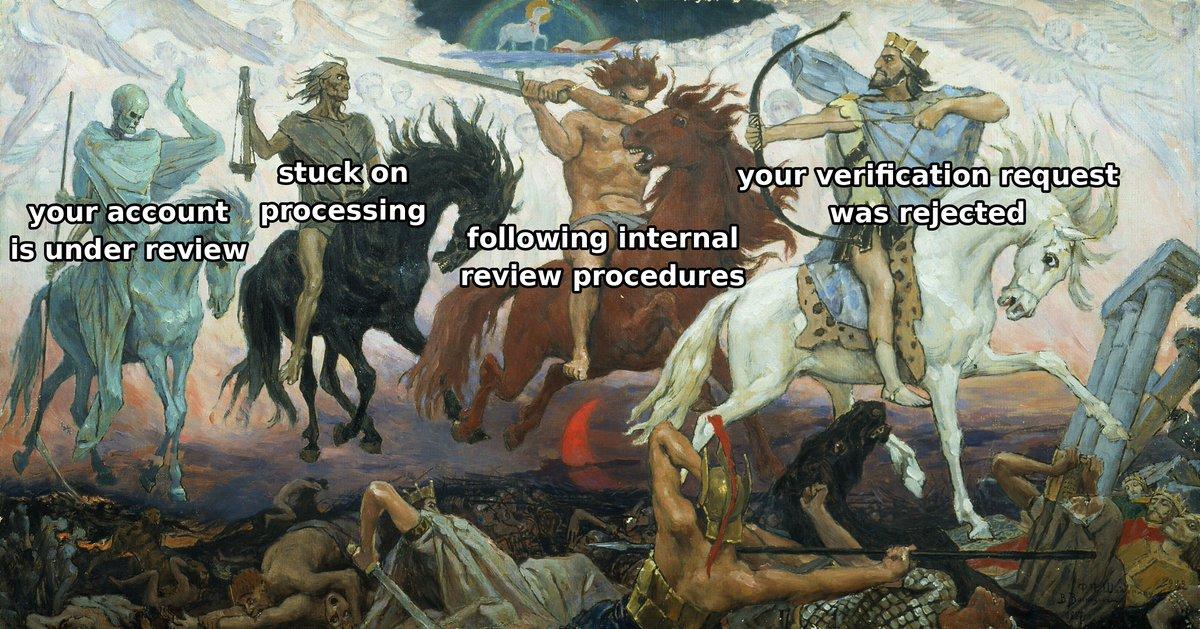
None of this arrives in a vacuum. Rolly spent last weekend posting a meme comparing its withdrawal process to the Four Horsemen of the Apocalypse, with its own staff piling into the replies to confirm the biblical comparison was accurate. The week prior, the platform's top affiliate casually disclosed that the CEO had to personally refill the bankroll after a single player won too much money, because the on-chain treasury was, at that moment, insufficient to cover the withdrawal.
The casino that "can prove it has nothing to hide" has now, across multiple documented incidents, demonstrated that what it cannot hide is an infrastructure where withdrawals are a meme, bankrolls require emergency CEO top-ups, and locked funds are resolved by telling players to start over. This is not a bug. This is a business model undergoing live field testing on actual customers who would like their actual money back.
Beta testing implies something temporary, a phase before the real thing. But MishaShorts' funds are not beta funds. The money is real. The lock is real. And Rolly's answer, stripped of its corporate padding, is that the player should trust the same platform that broke once not to break again, just under a different account name. The casino that proved it has nothing to hide has now also proved it has nothing to offer when its own code eats your money except a suggestion to try again and see what happens.
Comments
Loading comments…